
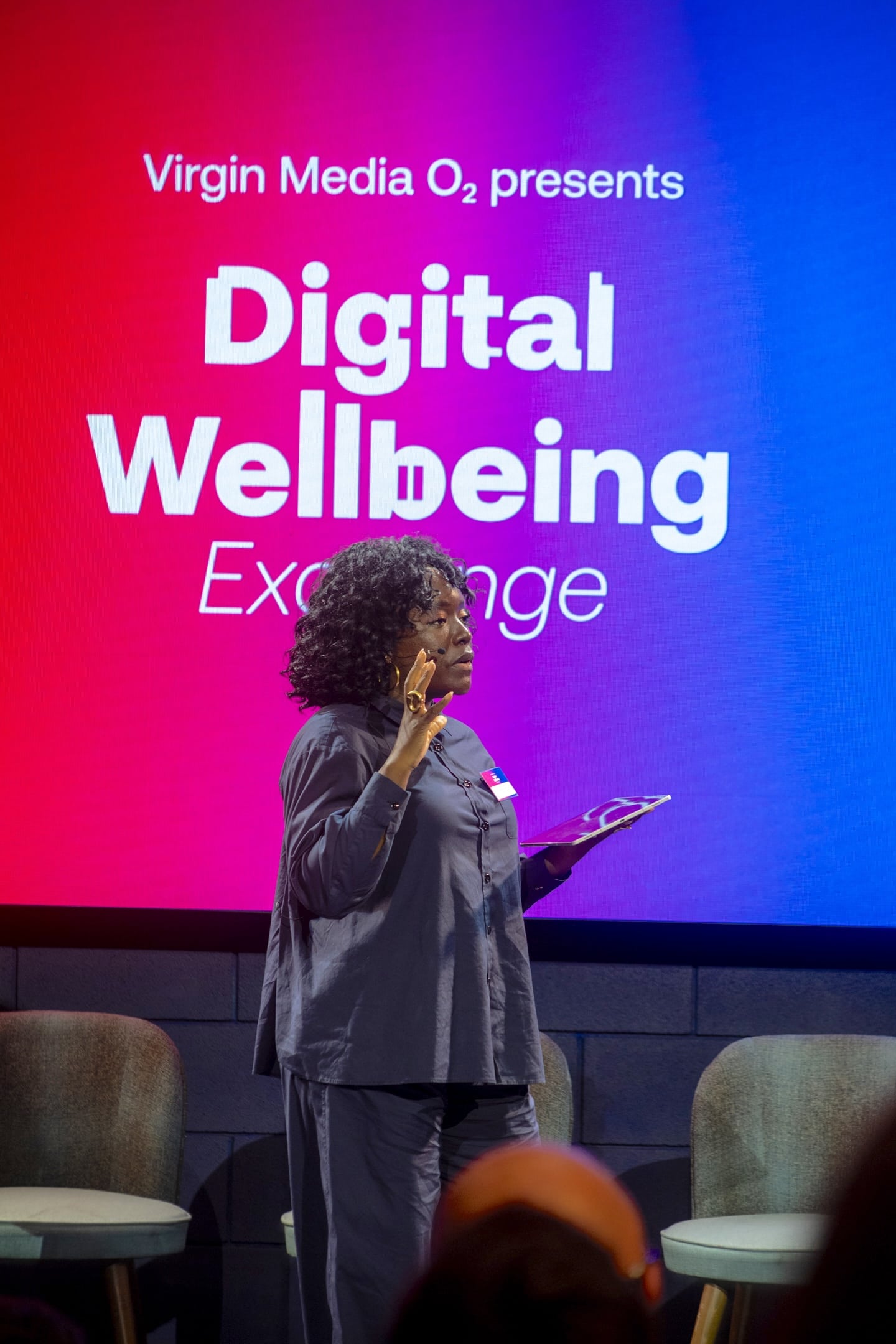
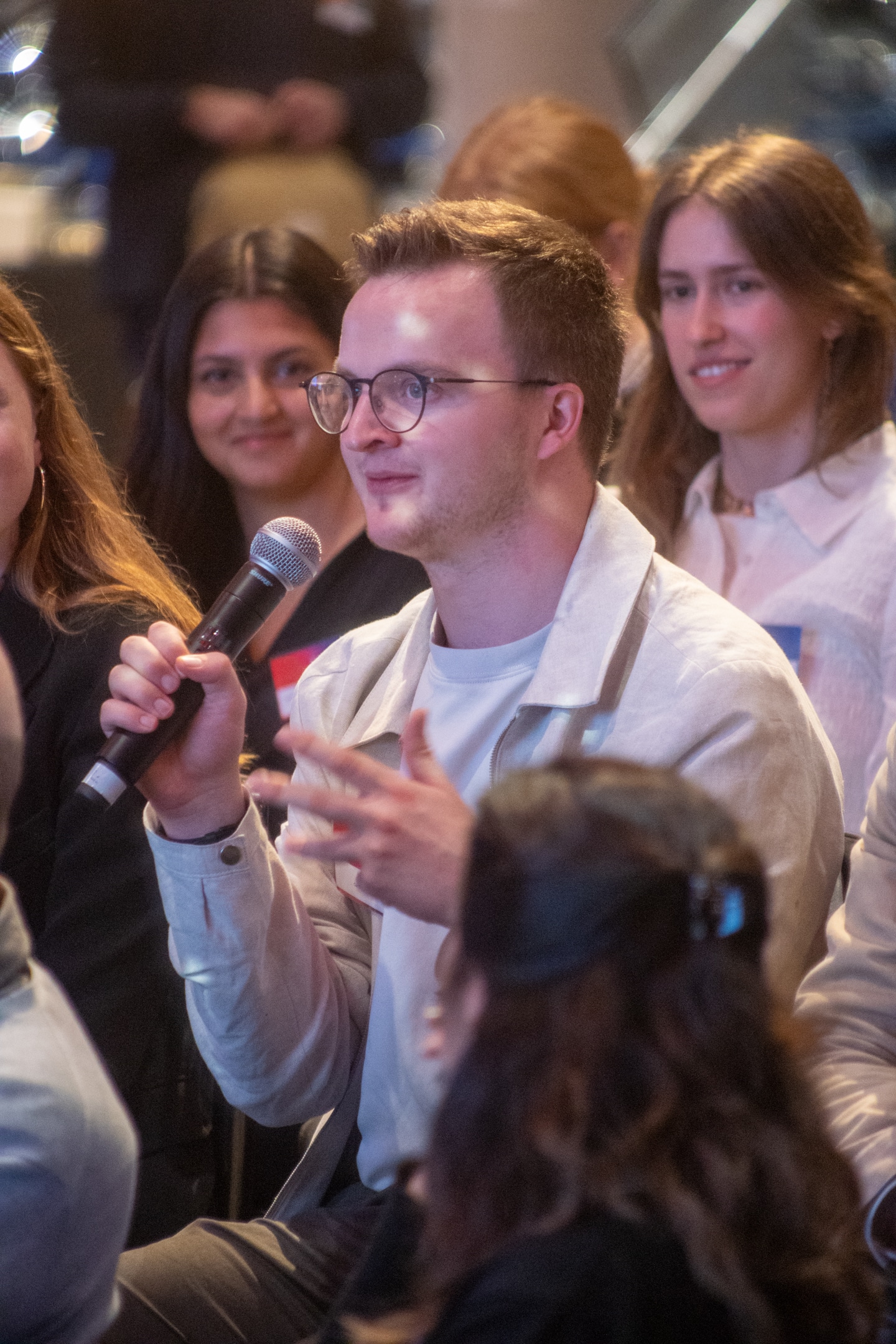
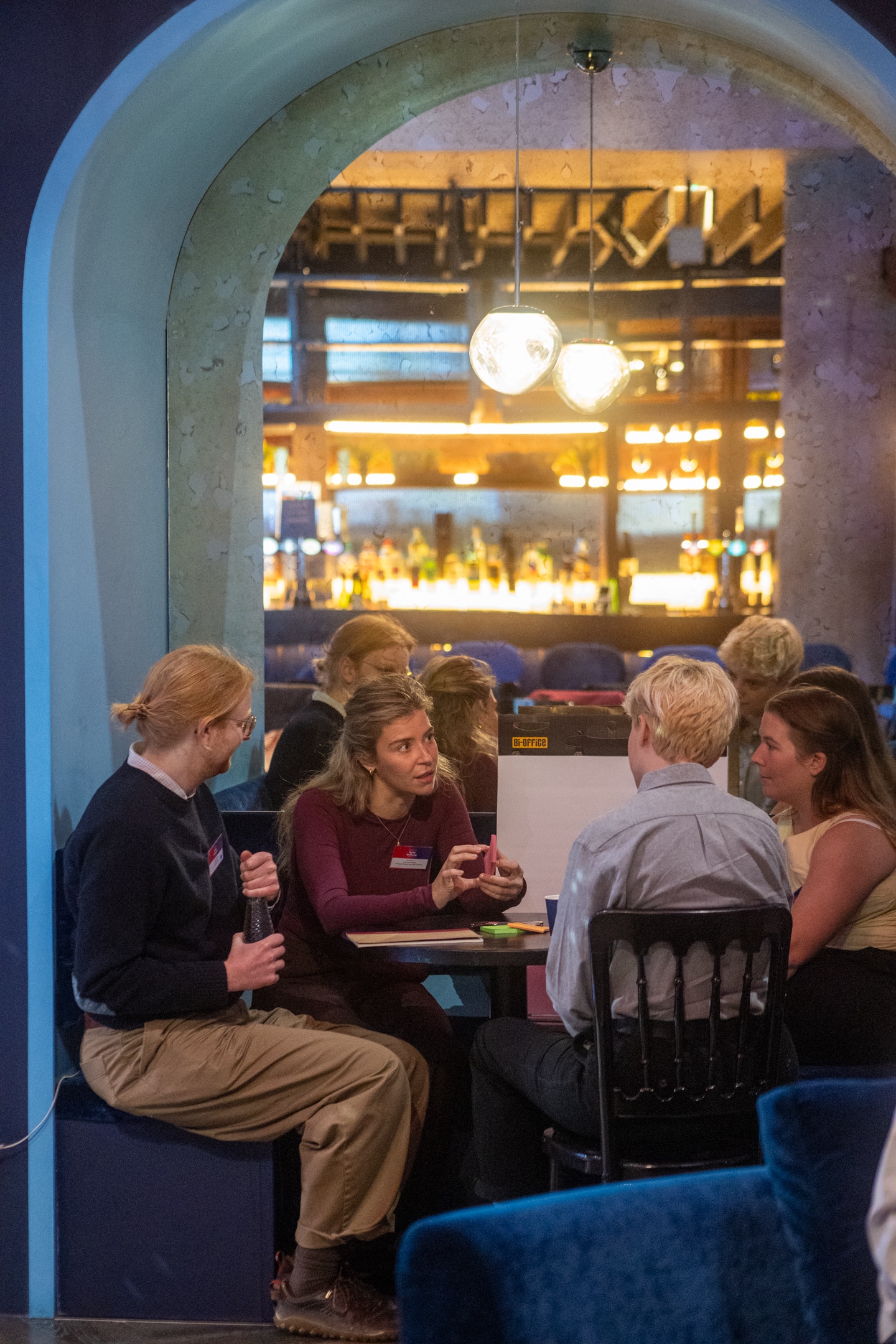
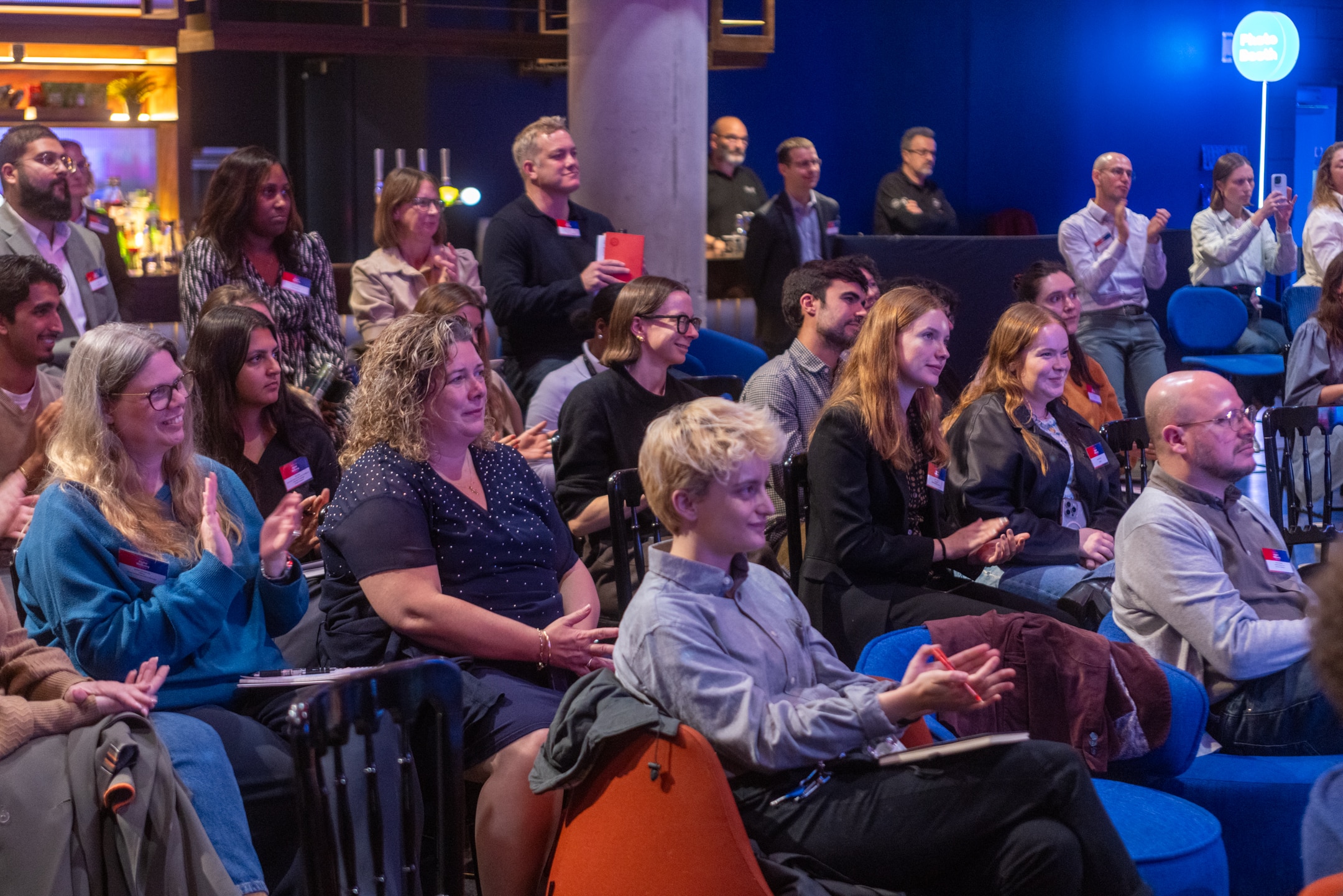
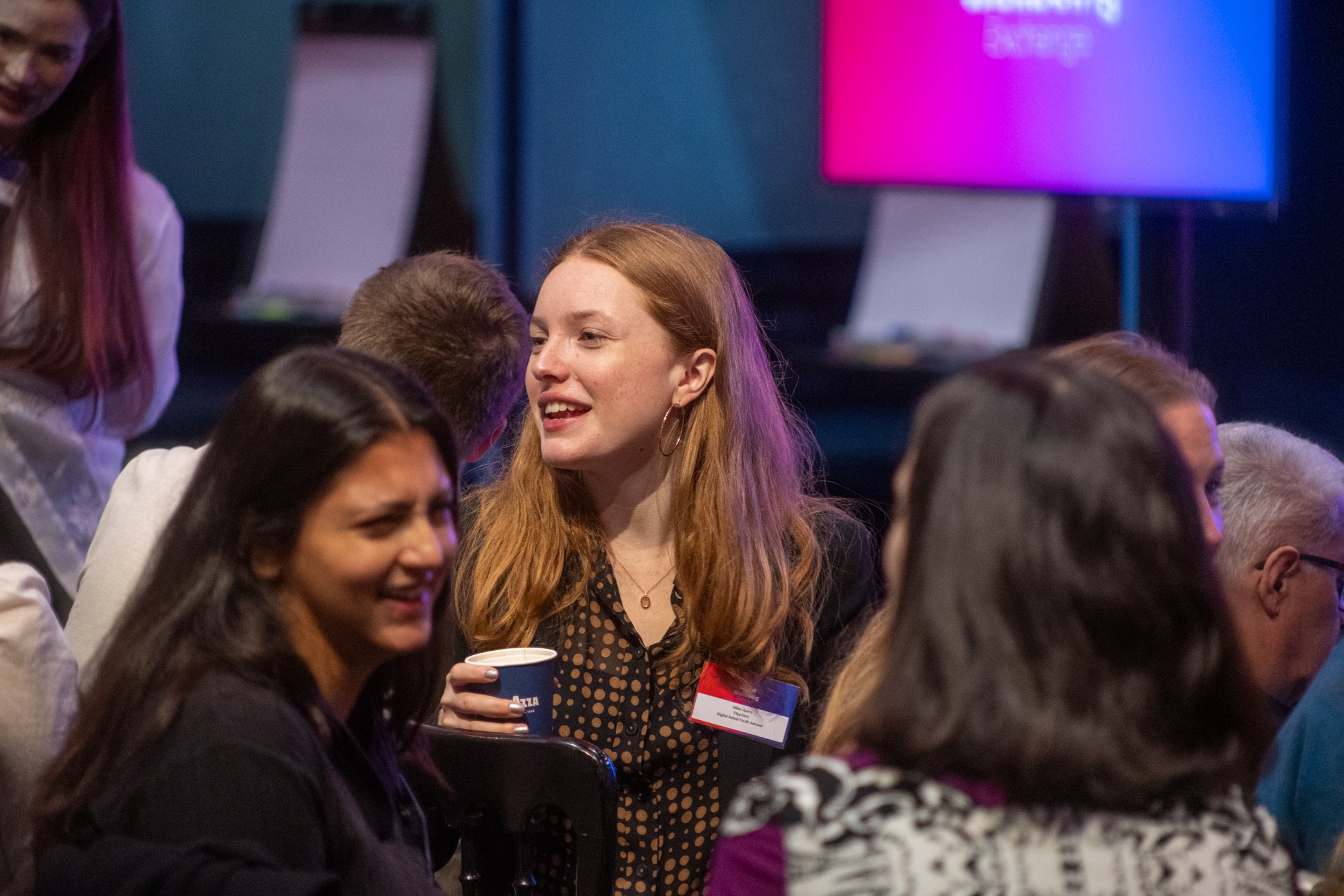
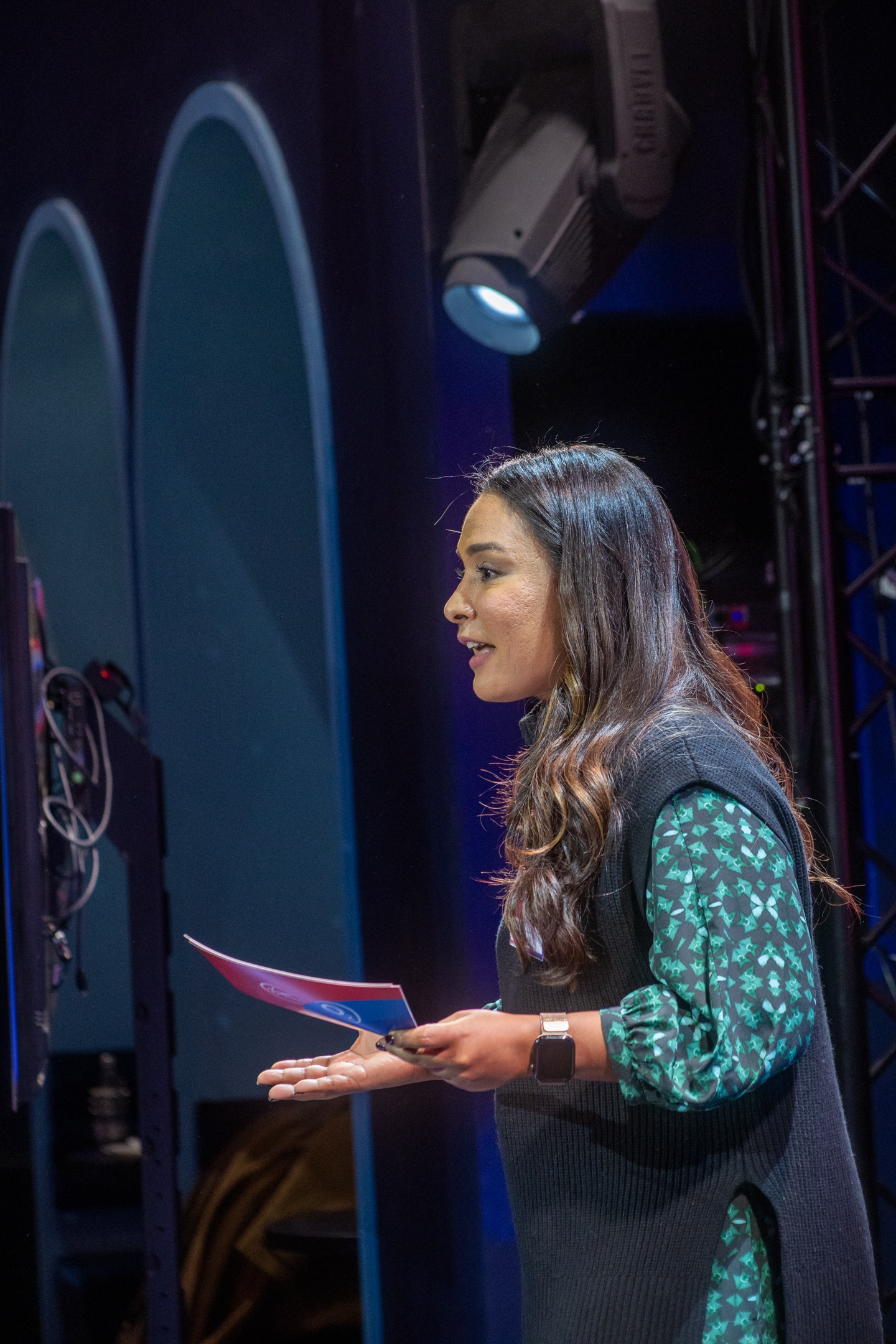
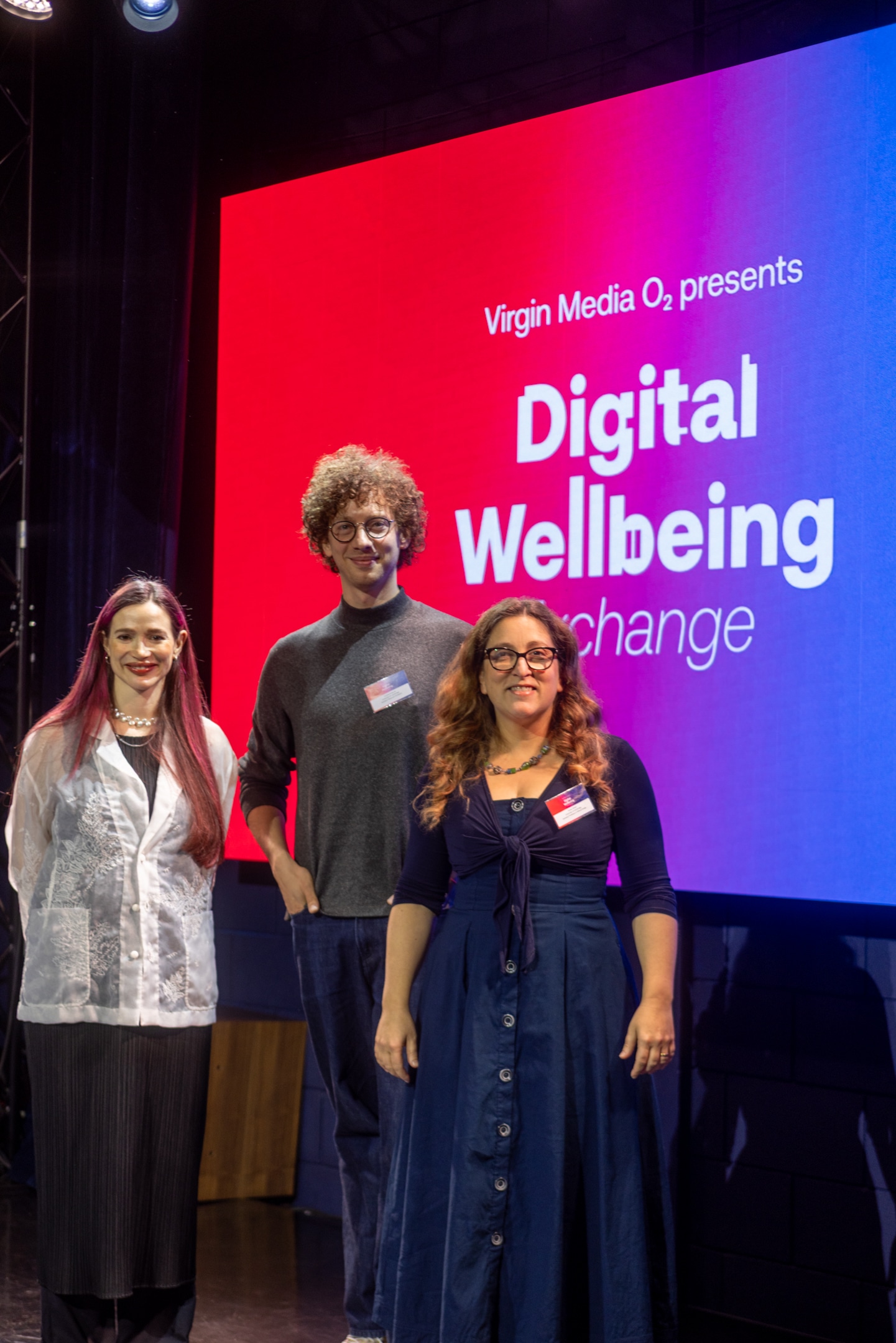
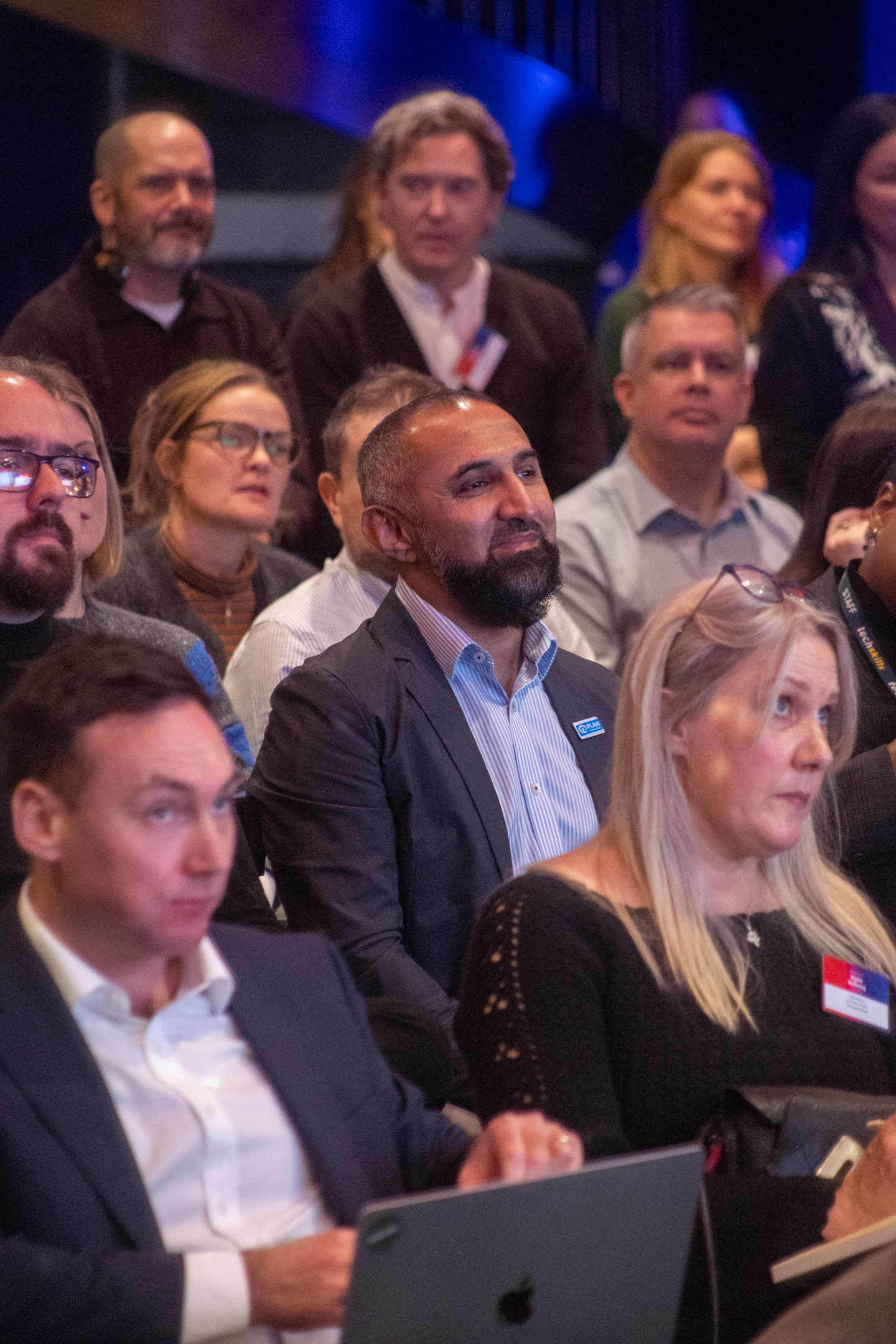
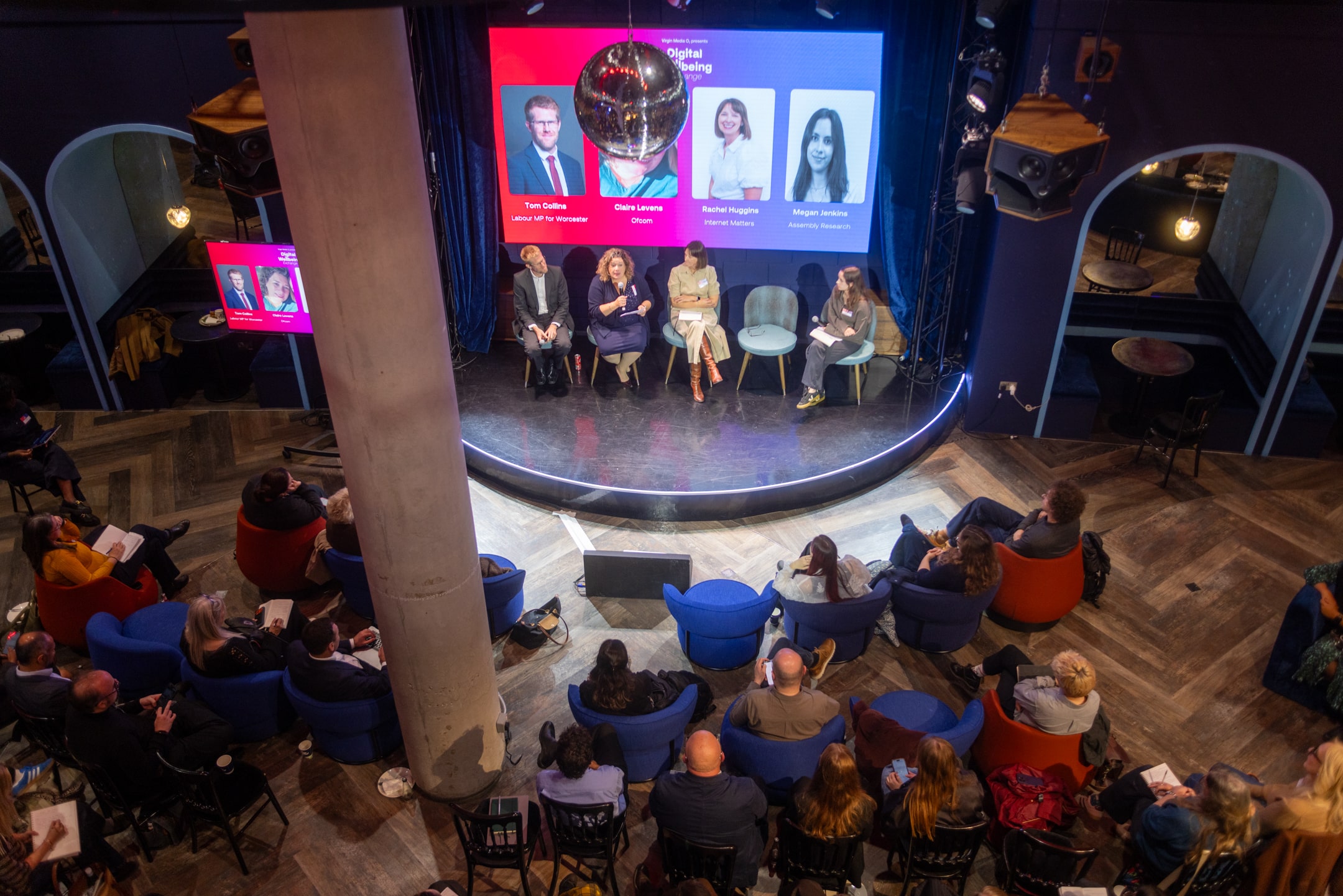
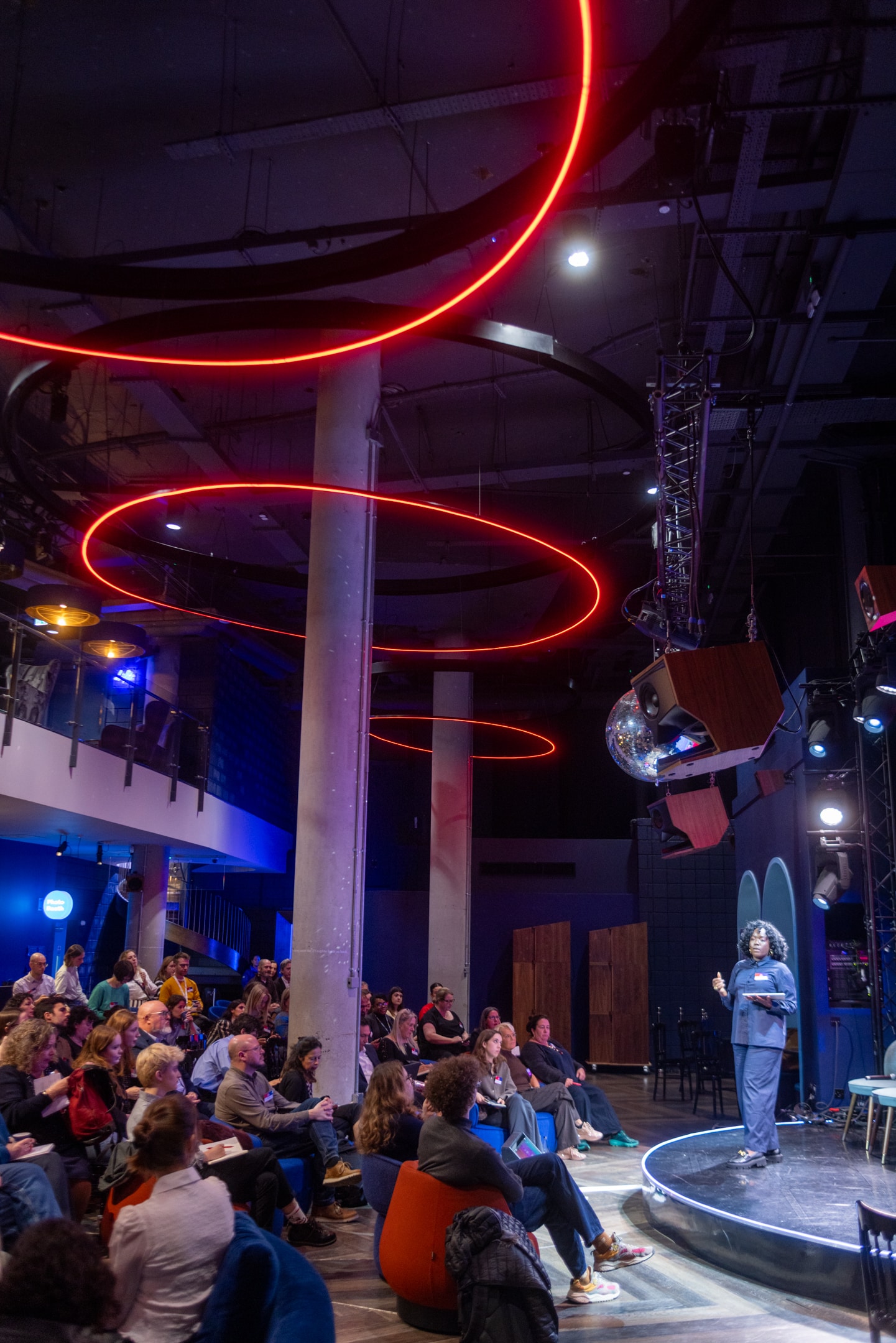
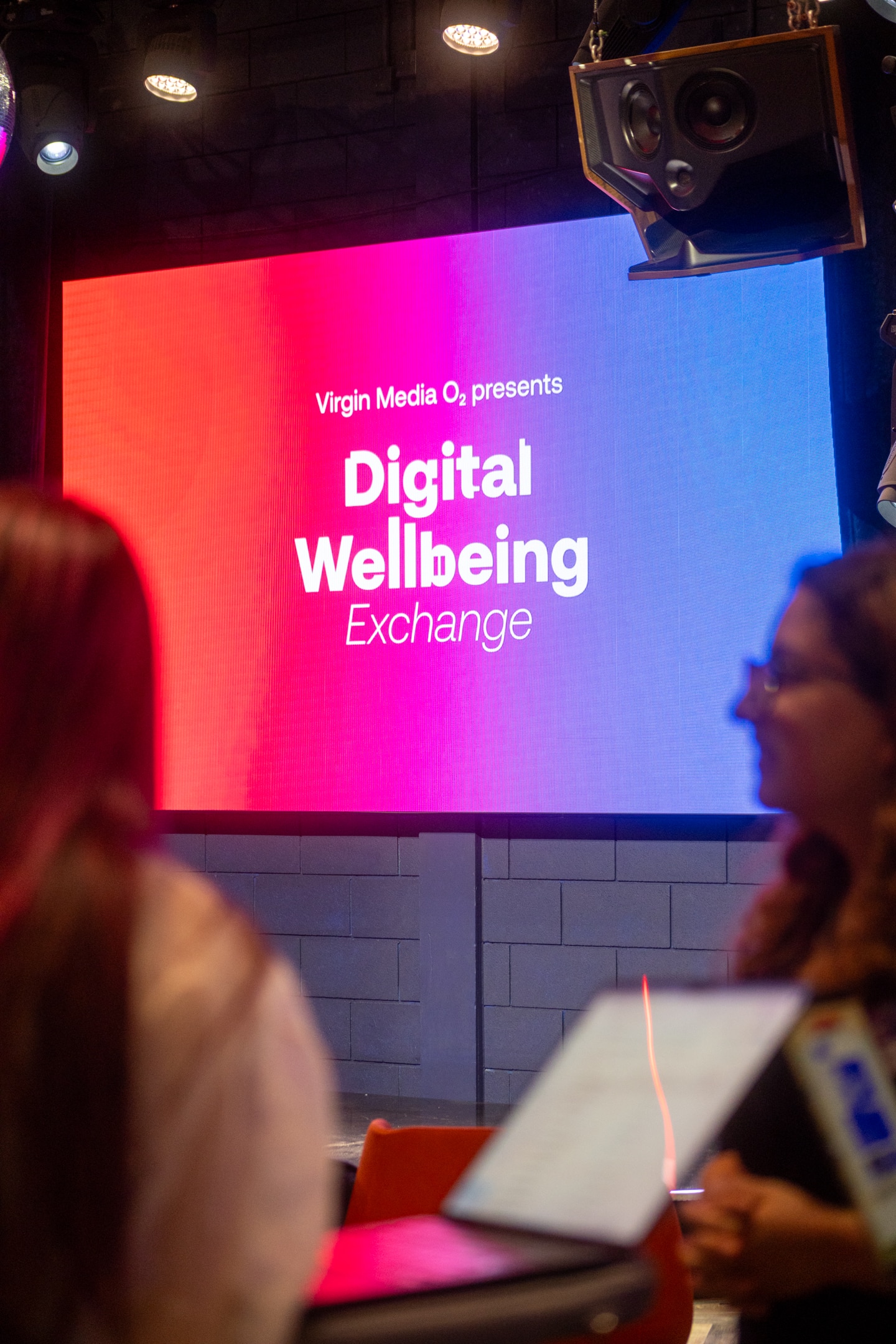
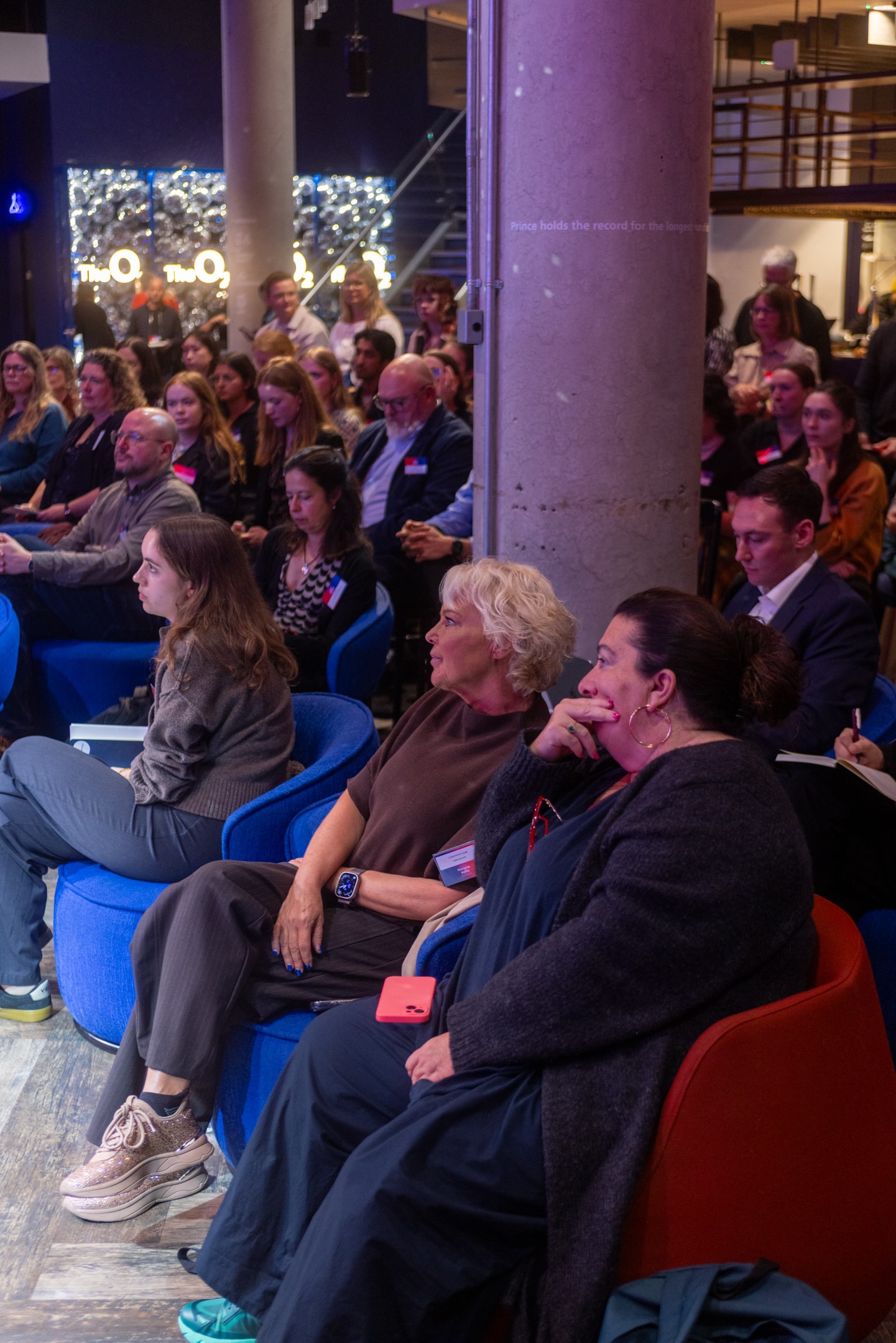
On the 19th October 2026, Virgin Media O2 brought together more than 100 leading voices from industry, government, regulation, academia, civil society and youth organisations for the Digital Wellbeing Exchange at The O2. We explored how the UK can move beyond making technology less harmful and towards making it genuinely better for people. One clear takeaway was that we can’t leave digital wellbeing to individuals alone. We need better evidence, responsible design and a real say for the people technology affects.
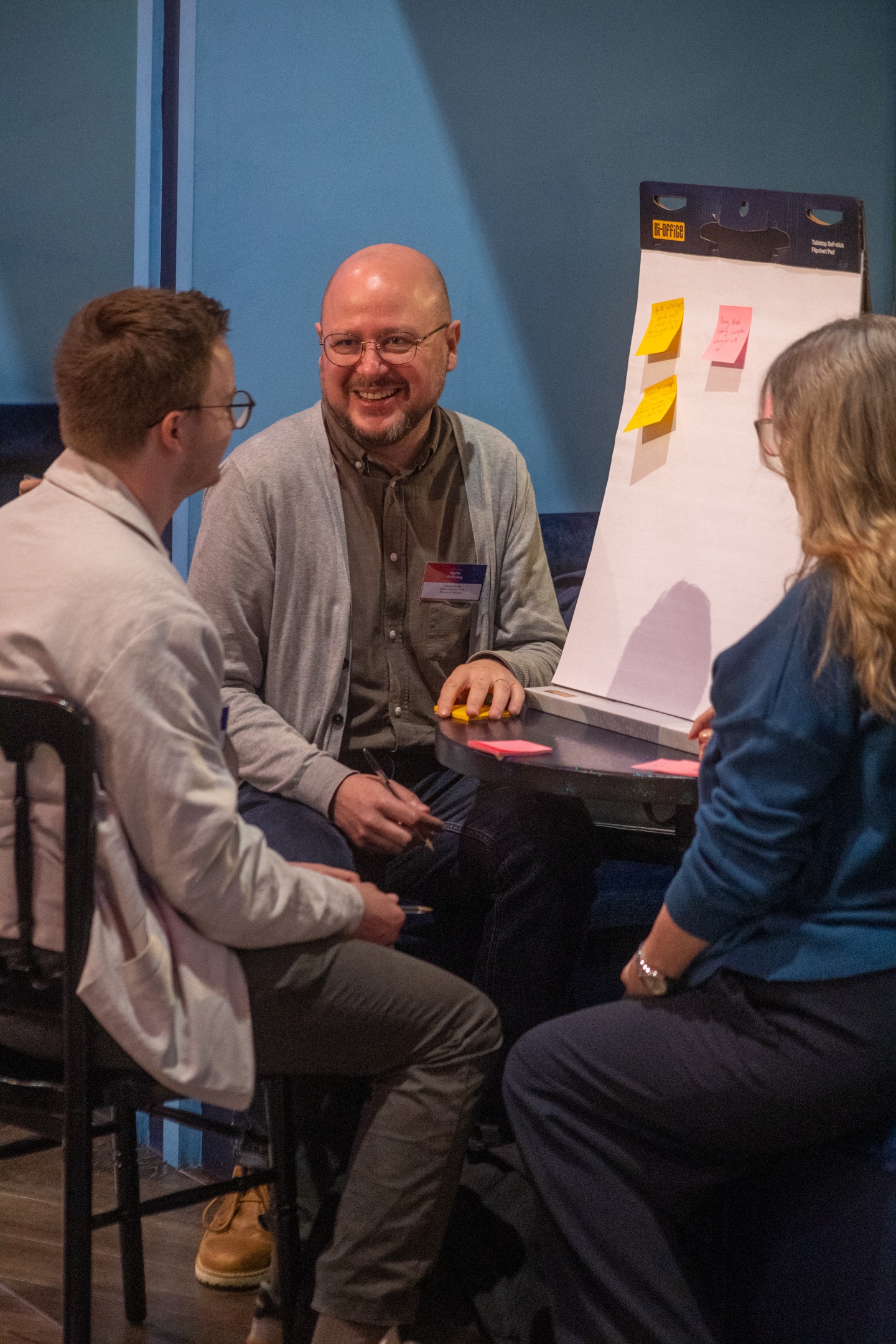
That’s where the Digital Wellbeing Observatory comes in. Funded by Virgin Media O2, this five-year research programme at the University of Cambridge’s Leverhulme Centre for the Future of Intelligence tracks how people across the UK experience digital wellbeing. Its focus is on how generative AI is changing everyday life and people’s sense of agency and control. The morning of the Exchange brought around 40 expert participants together with the University of Cambridge to shape this research.
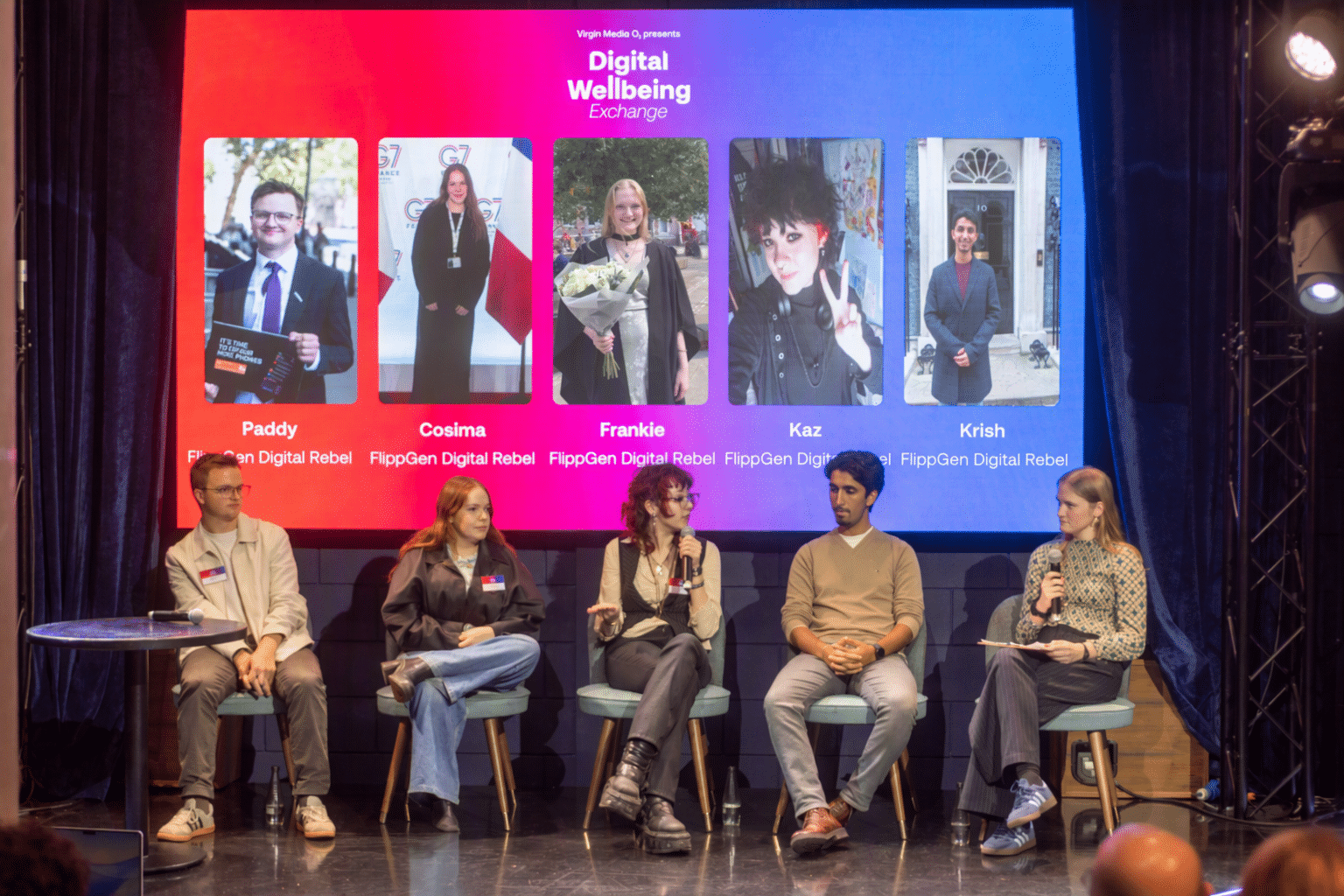
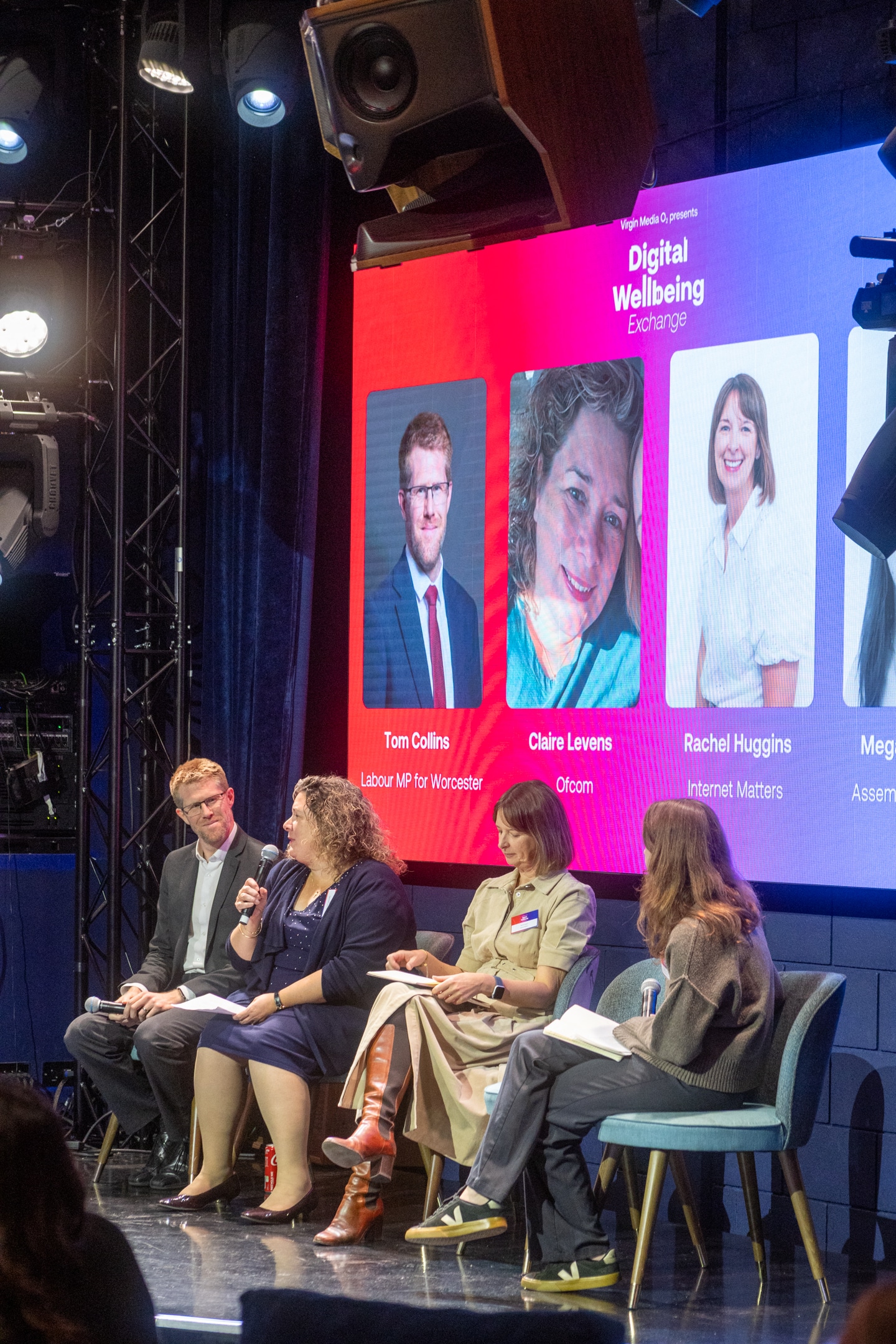
The afternoon brought perspectives from Ofcom, Internet Matters, Parliament, researchers, authors, campaigners, and the remarkable young people of FlippGen. It was deliberately designed to be a conversation between disciplines and generations, rather than another discussion conducted within familiar institutional boundaries.
Why does Digital Wellbeing matter to Virgin Media O2
As a connectivity provider, we have spent years helping people access the opportunities of the digital world. That work remains essential, but connection is a starting point rather than the only measure of success. The deeper question is whether people have the confidence, agency and control to benefit from the technologies woven into their lives. That’s the thinking behind our Digital Wellbeing Manifesto. We cannot claim to care about inclusion while ignoring the quality of the experience people are being included in. Nor can any one company, regulator or charity solve problems that emerge from the interaction of technology, markets, culture and human behaviour.
Three lessons from the Digital Wellbeing Exchange:
Maintaining human judgement in an AI-enabled world
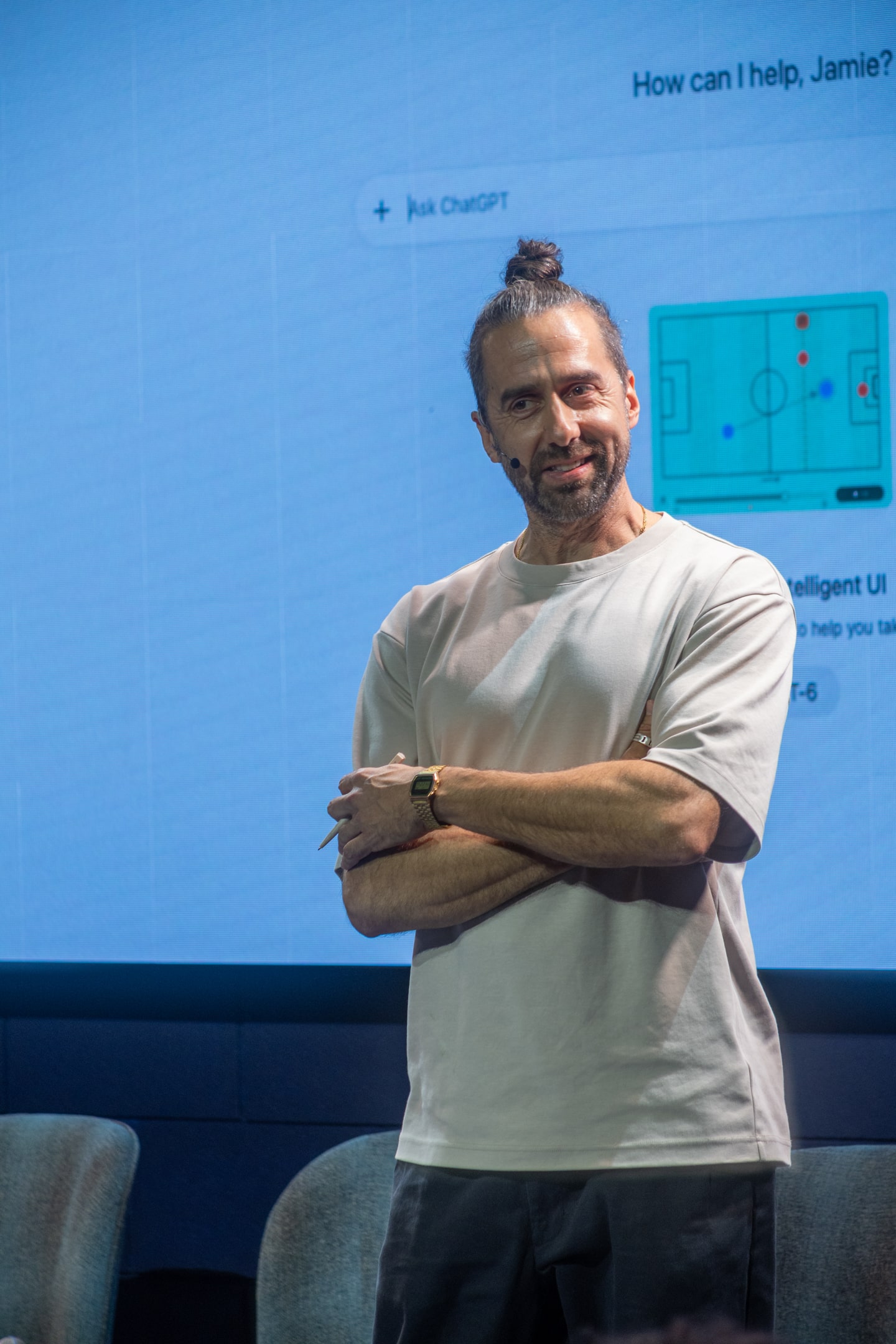
- One of the most revealing tensions of the day was how we engage with AI tools constructively. Jamie Bartlett, Author of How to Talk to AI, challenged us to consider not only what machines might become capable of, but what happens when humans become increasingly willing to delegate judgement to them. The University of Cambridge workshop surfaced examples of people turning to AI for financial guidance, relationship advice, and emotional reassurance, often precisely when information is hardest to verify or human connection feels out of reach.
Designing responsibility into digital products and systems
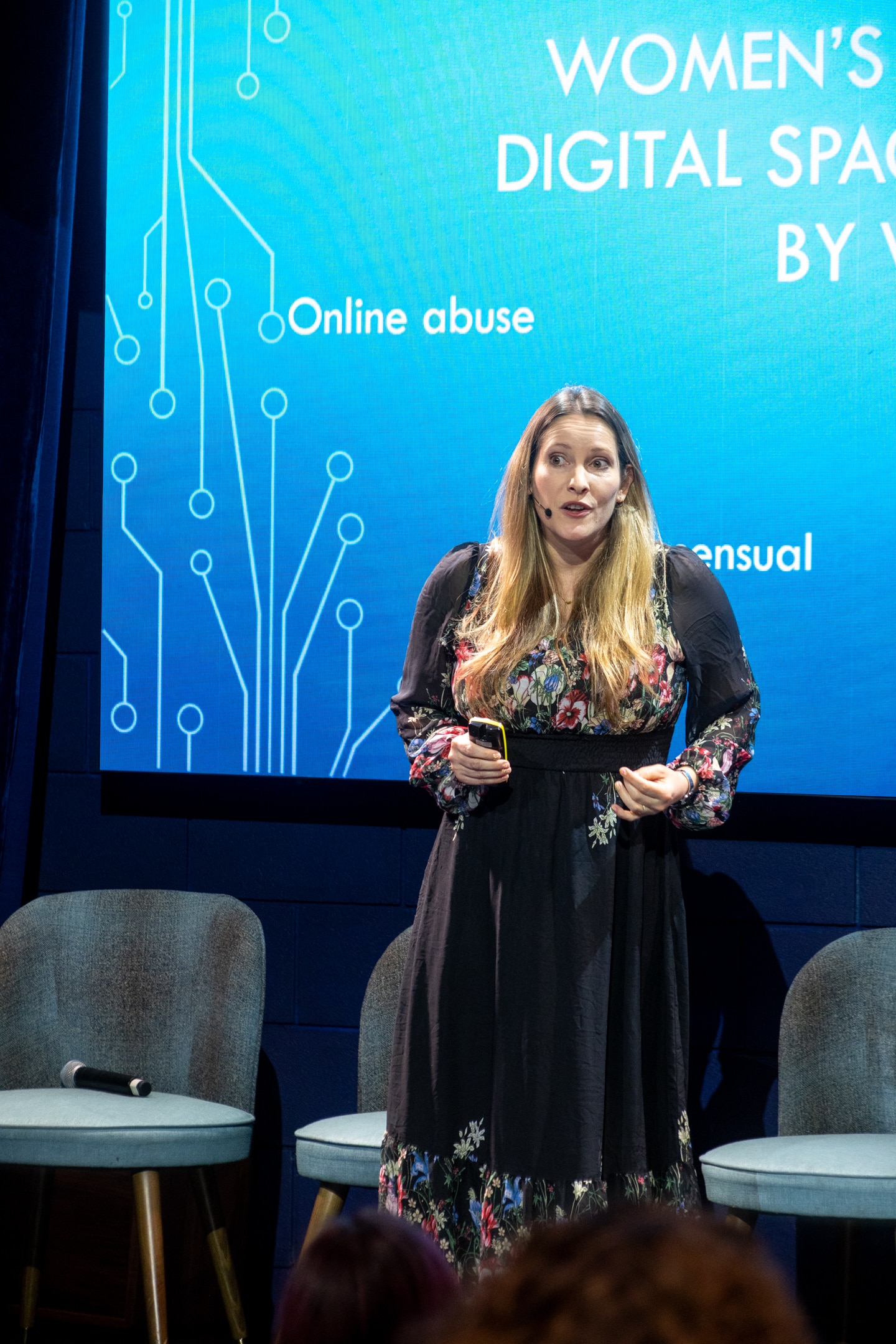
- Laura Bates, Author of The New Age of Sexism, brought another dimension into focus: online environments do not sit apart from society. The attitudes and expectations reinforced through algorithms and AI tools can carry into relationships, workplaces, and social lives. Asking individuals to log off cannot on its own address systems that continue to shape the world around them. This creates a positive challenge for business. If products can be designed to maximise attention, they can also be designed to support autonomy, healthier interaction and informed choice/consent. Safety and innovation need to two sides of the same ambition. As Claire Levens from/of Ofcom warned, without a system-level approach, we risk fixing yesterday’s problem.
Giving young people genuine influence and viable offline alternatives
- Perhaps the most memorable moment for me came from FlippGen’s young Digital Rebels. They spoke about the importance of physical ‘third spaces’: accessible places outside home and school where young people can belong, build trust, and find connection beyond the pull of a smartphone. They shared that we cannot keep asking young people to spend less time online while allowing the alternative offline options to disappear.
- They also asked for something more fundamental than a seat at the table: influence over the decisions being made about their lives. That means moving from consulting young people after solutions are conceived to designing those solutions with them in the first place.
What happens next?
Our work with the University of Cambridge offers a way to carry this conversation forward. The Digital Wellbeing Observatory can help build the evidence, shared language and longer-term perspective that this debate urgently needs. Over the next five years, it should help us understand not only where harm occurs, but the conditions that will allow people to flourish online.
The Digital Wellbeing Exchange reinforced something I have come to believe strongly, which is that the future of technology is not inevitable. It is shaped by decisions about design, investment, regulation and whose voices we choose to amplify.
My invitation to everyone who joined us – and to anyone keen to be a part of how we shape this conversation in the UK – is to keep challenging the assumptions behind those decisions. Bring your expertise, perspective and lived experience online to the conversation. Involve young people as partners, and take the discussion into your organisations and communities. We will share more from the Observatory as the research develops.
Ultimately, we are all arriving at the same conclusion: the measure of our progress is not how much technology occupies our lives but how much richer it makes them.
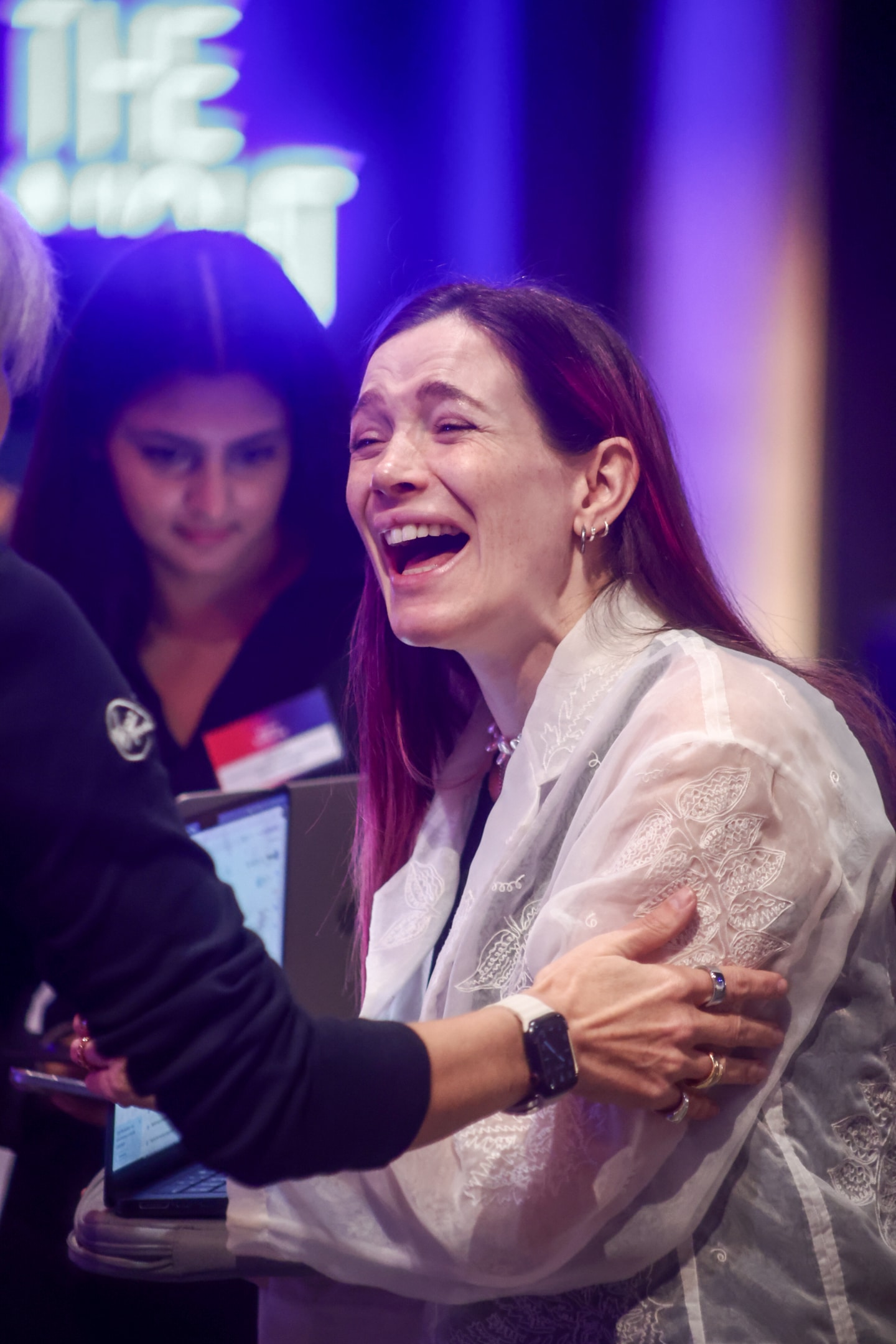
Photos from the Exchange




press enquiries
press enquiries